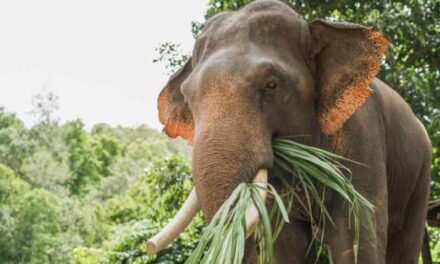
For many travelers, seeing an elephant in person is a dream come true. Their massive size, gentle movements, and high intelligence make them one of the most popular animals to visit in countries like Thailand, India, and Kenya. However, as we move into 2026, the way we visit these animals is changing for the better.
In the past, tourism often focused on what the elephant could do for the human. People wanted to ride them, watch them paint pictures, or see them perform tricks. Today, we know better. We understand that these activities can be harmful to the elephant’s physical and mental health.
This guide is designed to help you navigate the world of “Ethical Tourism.” It will show you how to have an unforgettable experience with elephants without causing them any harm.
The Problem with “Traditional” Tourism
To be an ethical traveler, we first have to understand why certain activities are being phased out.
For a long time, elephant riding was the most popular tourist activity. But an elephant’s spine is not built to carry the weight of a heavy wooden chair and multiple humans. Over time, this causes permanent back injuries. Furthermore, to make an elephant “safe” enough for humans to ride or touch, they often have to go through a cruel training process known as “the crush.”
In 2026, the global travel community is moving away from these practices. We are learning that the best way to see an elephant is to let it be an elephant.
How to Spot a “Fake” Sanctuary
As travelers have become more conscious, many “camps” have changed their names to “sanctuaries” or “retirement homes” to attract tourists. However, some of these places still use harmful methods behind the scenes. Here is how you can tell if a place is truly ethical:
1. No Riding or Performance
A true sanctuary will never allow you to ride an elephant. They also won’t have elephants performing tricks, playing football, or painting. These behaviors are not natural. If you see an elephant doing something it wouldn’t do in the wild, it is not an ethical facility.
2. No Bathing with Tourists
This is a newer rule that many people find surprising. For a few years, “bathing with elephants” became very popular. While it looks fun, it can actually be very stressful for the animals. Imagine dozens of strangers splashing water and screaming around you while you are trying to relax.
In 2026, ethical sanctuaries have moved to “Observation Only” bathing. This means you stand at a safe distance and watch the elephants play in the water on their own. This allows the elephants to socialize with each other naturally without human interference.
3. Safe Distancing
If a place allows you to get close enough to take a “selfie” with your arm around the elephant’s trunk, be cautious. Genuine sanctuaries prioritize the animal’s comfort. They usually require tourists to keep a distance of at least 5 to 10 meters. This protects both the humans and the elephants.
4. The Use of the Bullhook
A bullhook is a metal tool used to control elephants through pain or the threat of pain. In a truly ethical sanctuary, the “mahouts” (elephant caretakers) should interact with the animals using voice commands and positive reinforcement (like treats). If you see hooks or heavy chains, it is a sign that the facility is using fear to control the animals.
What Does an Ethical Visit Look Like?
You might be wondering: “If I can’t ride them or bathe them, what will I actually do?” The answer is much more rewarding. An ethical visit in 2026 is about “sharing space,” not “using the animal.”
Observation Hiking
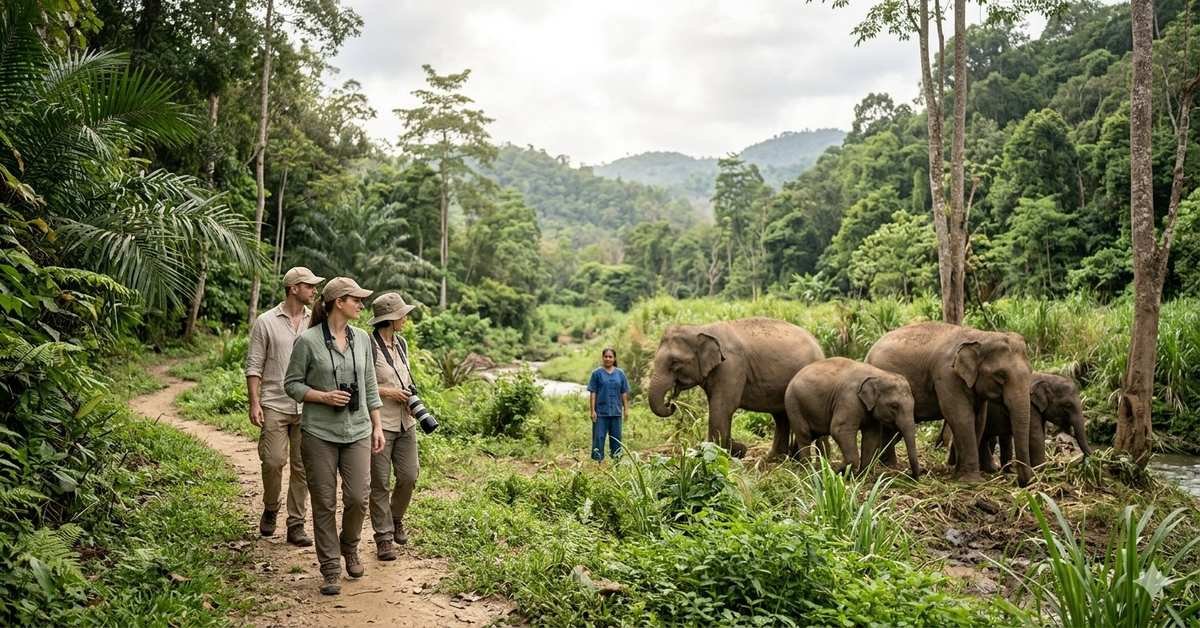
Many ethical sanctuaries in Southeast Asia now offer “Observation Hikes.” You walk through the forest at a distance behind a herd of elephants. You get to see them stripping bark from trees, digging for roots, and communicating with each other. It is a peaceful, beautiful experience that feels like being a guest in their home.
Educational Talks
A good sanctuary wants you to leave smarter than when you arrived. They will spend time teaching you about elephant biology, the history of the individual elephants they have rescued, and the challenges of conservation. You learn about their personalities—which one is the “troublemaker,” which one is the “nanny” to the calves, and how they survived their past.
Supporting the Local Community
Ethical tourism also supports the people who live near the elephants. Many sanctuaries employ local villagers, buy food from local farmers to feed the elephants, and fund local schools. When you visit these places, your money helps both the animals and the humans who protect them.
Questions to Ask Before You Book
Before you pay for a tour or a visit, do some research. You can check their website or send them an email with these three simple questions:
- “Do you allow visitors to ride or bathe with the elephants?” (The answer should be no).
- “Where did your elephants come from?” (They should be able to tell you a specific rescue story.)
- “How much time do the elephants spend interacting with tourists versus being with other elephants?” (They should spend the majority of their time with their own kind.)
You can also check trusted organizations like World Animal Protection or the Asian Elephant Sanctuary Alliance. These groups keep lists of facilities that meet high welfare standards.
The Impact of Your Choice
Why does this matter so much? Because tourism is a “supply and demand” business.
Every time a tourist pays to ride an elephant, it tells the industry that there is still money to be made from elephant riding. This keeps the cycle of capture and cruel training alive.
But when you choose an “observation-only” sanctuary, you are voting with your wallet. You are telling the world that you value the animal’s well-being more than a photo for social media. As more people make this choice, more harmful camps are forced to change their ways and become ethical sanctuaries to survive. You are literally helping to change the future for thousands of elephants.
The Best Way to See Elephants: The Wild
If you want the ultimate ethical experience, consider a safari in a National Park.
In places like Amboseli National Park in Kenya or Chobe National Park in Botswana, you can see elephants living exactly as nature intended. There are no fences, no mahouts, and no schedules. Seeing a massive bull elephant walk past your jeep, or watching a mother protect her tiny calf from a distance, is a life-changing moment.
Wild tourism ensures that the animals remain truly free. It supports the protection of vast areas of land, which helps all the other animals—like lions, rhinos, and birds—that live there too.
Conclusion: Being a Voice for the Giants
As we travel in 2026, we have a responsibility to be “conscious travelers.” We are guests in the world of these magnificent animals.
An elephant can live for 70 years. They have memories that last a lifetime and hearts that feel deep emotion. They deserve to live those 70 years with dignity, surrounded by their families, and free from the stress of performing for humans.
Choosing ethical tourism doesn’t mean you see less; it means you see more. You see the true spirit of the elephant. You see their natural intelligence and their complex social lives. And most importantly, you leave with a clear conscience, knowing that your visit helped protect a giant instead of hurting one.
The next time you plan a trip, look “beyond the selfie.” Look for the places that put the elephant first. By doing so, you become part of the solution, ensuring that these incredible creatures will be around for generations to come.