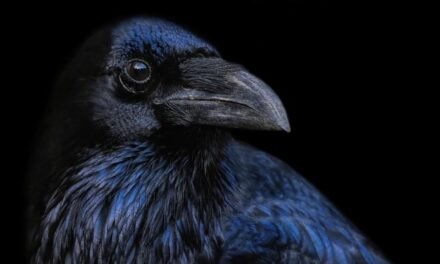
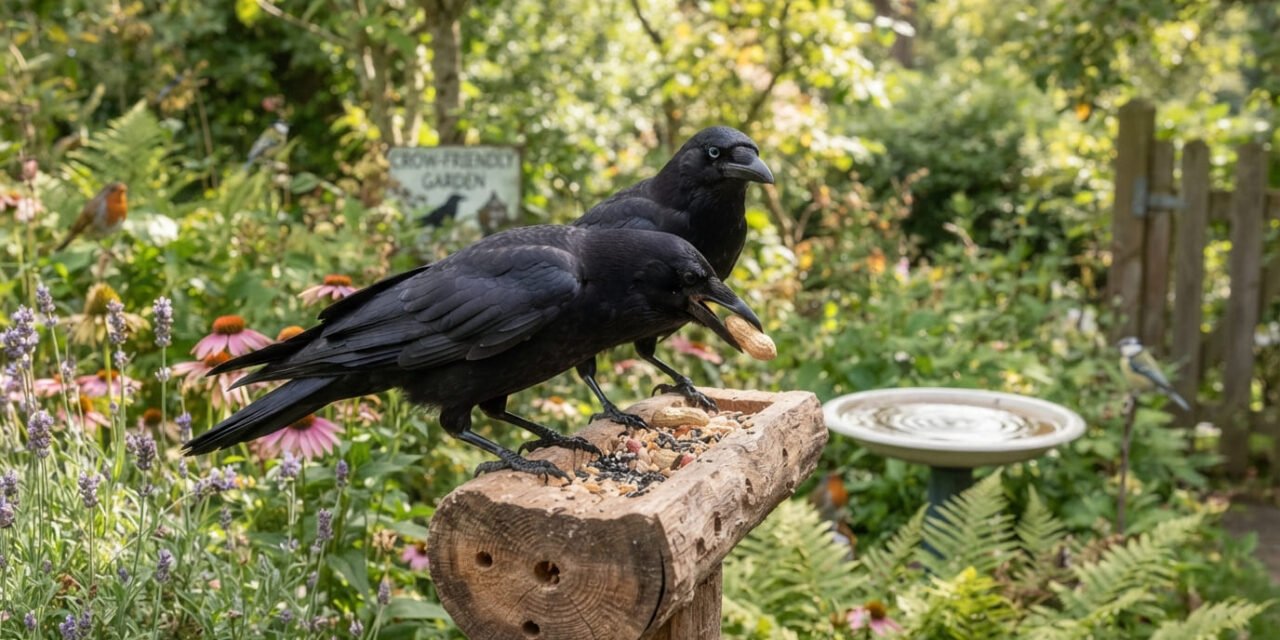
If you spend time in your garden, you have probably noticed them. Large, black birds with a confident walk and a loud voice. Crows are everywhere. For some gardeners, they are a nuisance—noisy neighbors who dig up the lawn or steal food. For others, they are fascinating creatures to watch.
No matter how you feel about them, one thing is true: crows are incredibly smart.
Many people have misconceptions about these birds. You might hear stories that they bring bad luck or that they are just “flying rats.” These are not true. The truth is much more interesting. Crows are complex, social animals that have learned to survive alongside humans. By understanding how they think and behave, you can learn to share your garden with them peacefully.
Here is a guide to the real science behind crows, the benefits they bring to your yard, and how to manage the problems they might cause.
Understanding the Mind of a Crow
To live with crows, you first need to understand how smart they really are. Scientists who study birds often compare the intelligence of a crow to that of a seven-year-old human child or a Great Ape.
Unlike many other birds that act mostly on instinct, crows can think, solve problems, and remember things for a long time. Their brains are large compared to their body size. This intelligence helps them survive in cities and suburbs where things are always changing.
They Recognize Faces
One of the most amazing facts about crows is that they can recognize human faces. If you are nice to them, they will remember you. If you are mean to them or scare them, they will remember that too.
In a famous study at the University of Washington, researchers wore a specific mask while trapping crows for study. Years later, the crows still scolded and dive-bombed anyone wearing that mask. Even more surprisingly, young crows that had never seen the mask before also scolded it. The older crows had “told” the younger ones that the mask was dangerous.
This means if you chase a crow with a broom today, it might remember you next week, next month, or even next year. It pays to be polite!
They Use Tools
Crows are one of the few animals that use tools. They have been seen using sticks to pull insects out of logs. In some cities, crows have learned to drop hard nuts onto the road so cars will run over them and crack the shells. They wait for the traffic light to turn red, hop out to get the nut, and fly away safely. This shows they can understand cause and effect.
Why Are They in Your Garden?
Crows are scavengers and omnivores. This means they eat almost anything. They are in your garden because it offers three things: food, water, and safety.
1. Food Sources: Crows eat insects, worms, seeds, fruit, nuts, small animals, and human food scraps. An open compost bin or a pet food bowl left outside is like an invitation to a buffet.
2. High Vantage Points: You will often see crows sitting on the highest branch of a tall tree or a telephone pole. They use these spots as “lookouts” to watch for predators or food.
3. Safety in Numbers: Crows are very social. They often sleep together in large groups called “roosts” at night for warmth and protection. During the day, they stick with their family groups. If you see one crow, its family is probably nearby.
The Good News: Crows Can Help Your Garden
It is easy to focus on the noise or the mess, but having crows in your garden actually has significant benefits. They are nature’s cleanup crew and pest control agents.
Free Pest Control
While it might look like crows are just damaging your lawn when they peck at the grass, they are often digging for grubs. Grubs are the larvae of beetles that eat grass roots and kill your lawn. Crows love to eat grubs, caterpillars, armyworms, and other insects that destroy plants.
A family of crows can eat thousands of insect pests in a single nesting season. By allowing them to forage, you might reduce the need for chemical pesticides in your garden.
The “Crow Alarm” System
Crows are excellent security guards. They hate predators like hawks, owls, and foxes. If a hawk flies into your neighborhood, the crows will band together to chase it away. This behavior is called “mobbing.”
If you keep chickens or have small pets, this can be helpful. The loud “caw-caw” of a crow often signals that a predator is near, giving you time to check on your animals. They also clean up dead animals (carrion), which helps prevent disease from spreading in the ecosystem.
The Challenges: How to Solve Common Crow Problems
Of course, living with crows isn’t always perfect. They can cause trouble. Here is the truth about common complaints and how to solve them without hurting the birds.
Problem 1: They Eat My Vegetable Garden
Crows are smart enough to know that a ripe tomato or a row of corn is delicious.
The Solution: Scarecrows rarely work for long because crows figure out they are fake. Instead, use physical barriers.
- Netting: The most effective way to save your crops is to drape bird netting over your berries or vegetables. Make sure it is secured at the bottom so birds don’t get trapped inside.
- Motion: Crows are nervous about new things. Hanging shiny tape (often called “flash tape”) or old CDs on strings can scare them because of the moving reflections. However, you must move these items around every few days, or the crows will realize they are harmless.
Problem 2: They Scatter Trash Everywhere
Crows have strong beaks and can easily rip open plastic garbage bags to get to leftovers.
The Solution: This is a human behavior problem, not a bird problem.
- Secure Bins: Never leave trash bags sitting out in the open. Use a trash can with a locking lid or a heavy bungee cord.
- Hide the Food: If you have a compost pile, bury fresh food scraps deep under leaves or grass clippings so the smell doesn’t attract them. Do not leave cat or dog food outside.
Problem 3: The Noise
Crows are loudest during the spring (breeding season) and when they see a predator. They also caw to talk to their family members.
The Solution: Unfortunately, you cannot simply “shush” a crow. However, you can reduce the noise by reducing the reasons for them to be there. If you remove the easy food sources (like open trash), they will spend less time arguing in your yard.
Also, pay attention to the noise. If they are making a huge racket, look outside. They might be warning you about a hawk or a stray cat.
Myths vs. Reality
It is important to separate fact from fiction when dealing with these birds.
- Myth: Crows live for 100 years.
- Fact: In the wild, crows usually live about 7 to 8 years. Life is hard for a wild bird.
- Myth: If you see a crow, someone is going to die.
- Fact: This is just an old superstition. Crows are simply birds looking for snacks. They are biologically driven to survive, not to predict the future.
- Myth: Crows are solitary and lonely.
- Fact: Crows are incredibly family-oriented. Young crows often stay with their parents for a few years to help raise new babies. It is a cooperative family system.
Tips for Peaceful Coexistence
If you want to enjoy the presence of crows without them taking over, you need to set boundaries. Crows respect territory. Here is how to be a good neighbor to them.
1. Don’t Force Friendship
Some people try to hand-feed crows to make them “pets.” While it is possible to gain their trust, feeding them by hand is usually not a good idea. It can make them aggressive or too bold around other humans who might not like them. It is better to watch them from a distance.
2. Provide Water
If you want to help them, a birdbath is better than food. Crows need to drink water and wash their feathers. A simple, shallow basin of fresh water will attract them. Watching a crow take a bath is very entertaining—they really splash around!
3. Be Predictable
Crows like routine. If you are gardening, they might watch you from the fence. If you move slowly and calmly, they will learn you are not a threat. If you constantly shout or run at them, they will see you as a predator and might target your yard for “mobbing” or simply avoid you while causing trouble when you are not looking.
4. Respect Their Intelligence
If you try to outsmart a crow, be prepared for a challenge. If you hang a plastic owl to scare them, they will eventually figure out it is plastic. Sometimes, they will even land on the fake owl’s head!
The best approach is respect. Accept that they are wild animals trying to feed their families, just like any other creature.
Conclusion
Living with crows is a lesson in nature. They are not mindless pests; they are intelligent, social, and adaptable survivors. They clean up our roads, eat the bugs that kill our flowers, and warn us of danger.
Yes, they can be loud, and yes, they might try to steal your corn. But with a few simple changes—like locking your trash and netting your tomatoes—you can solve most of these problems.
The next time you hear a “caw” from the treetop, take a moment to look up. You aren’t just looking at a bird; you are looking at one of the smartest minds in the animal kingdom. And if you are lucky, they might just decide you are a neighbor worth having.